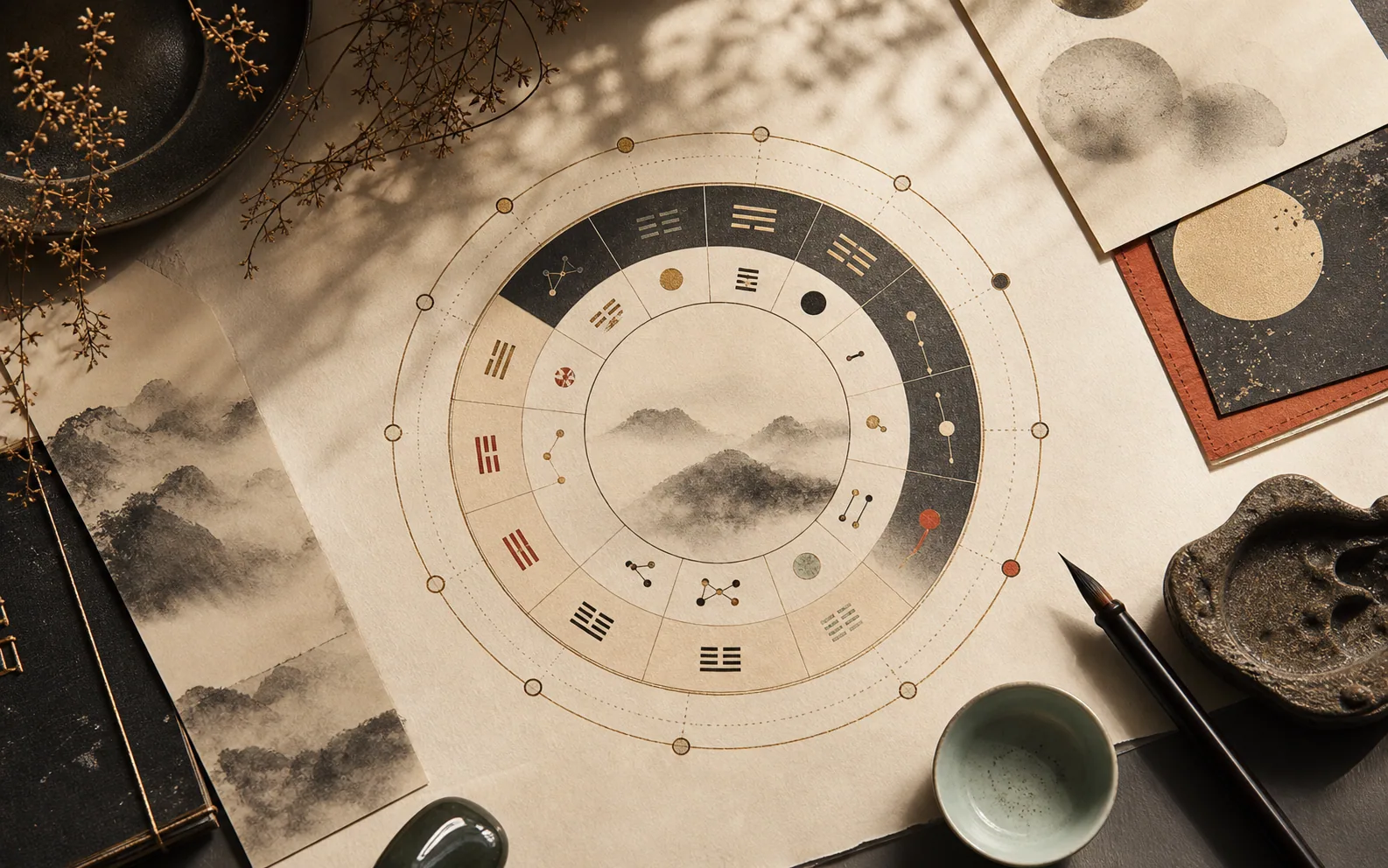
How to Use the Five Elements in Your Home Without Superstition
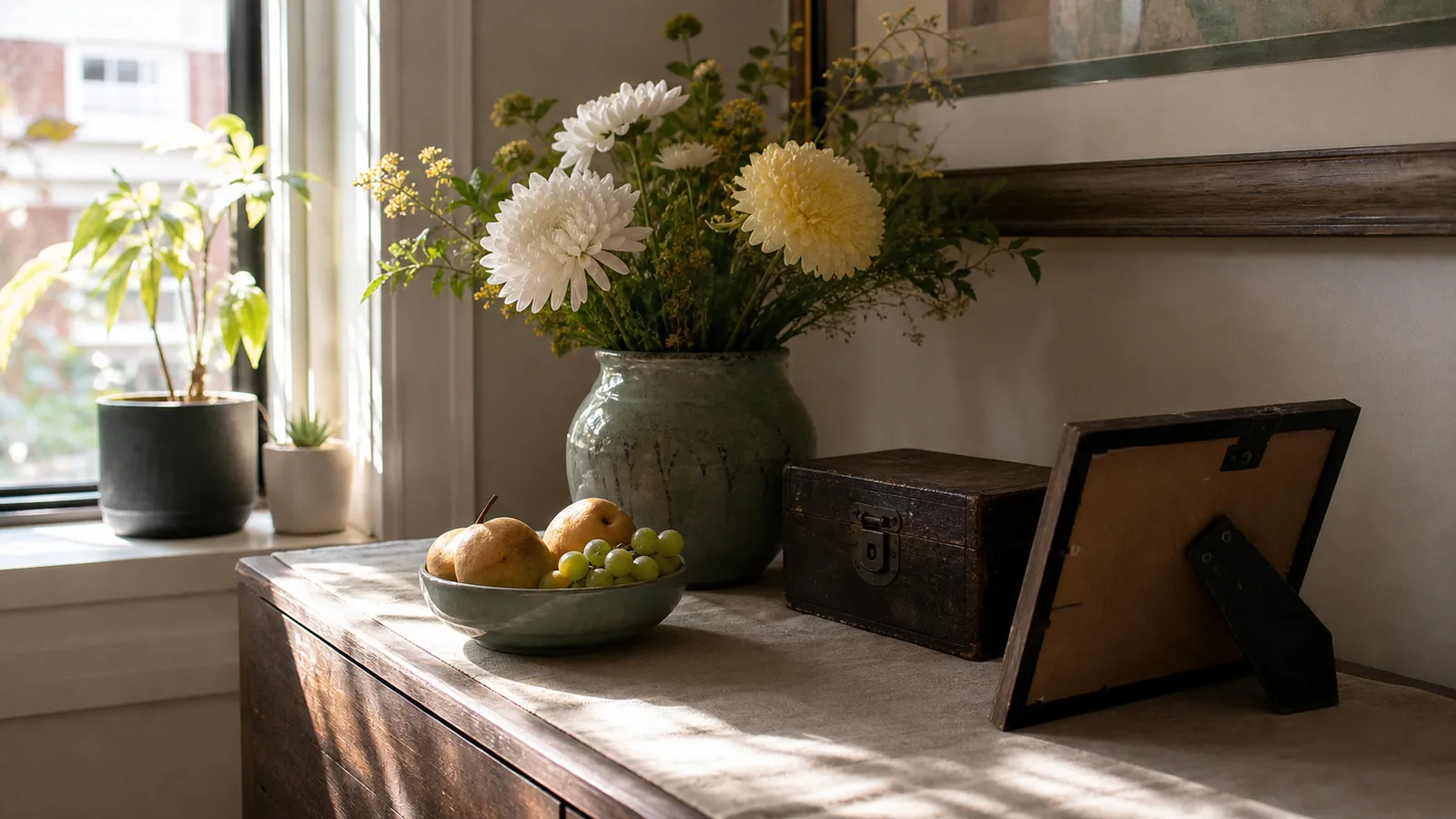
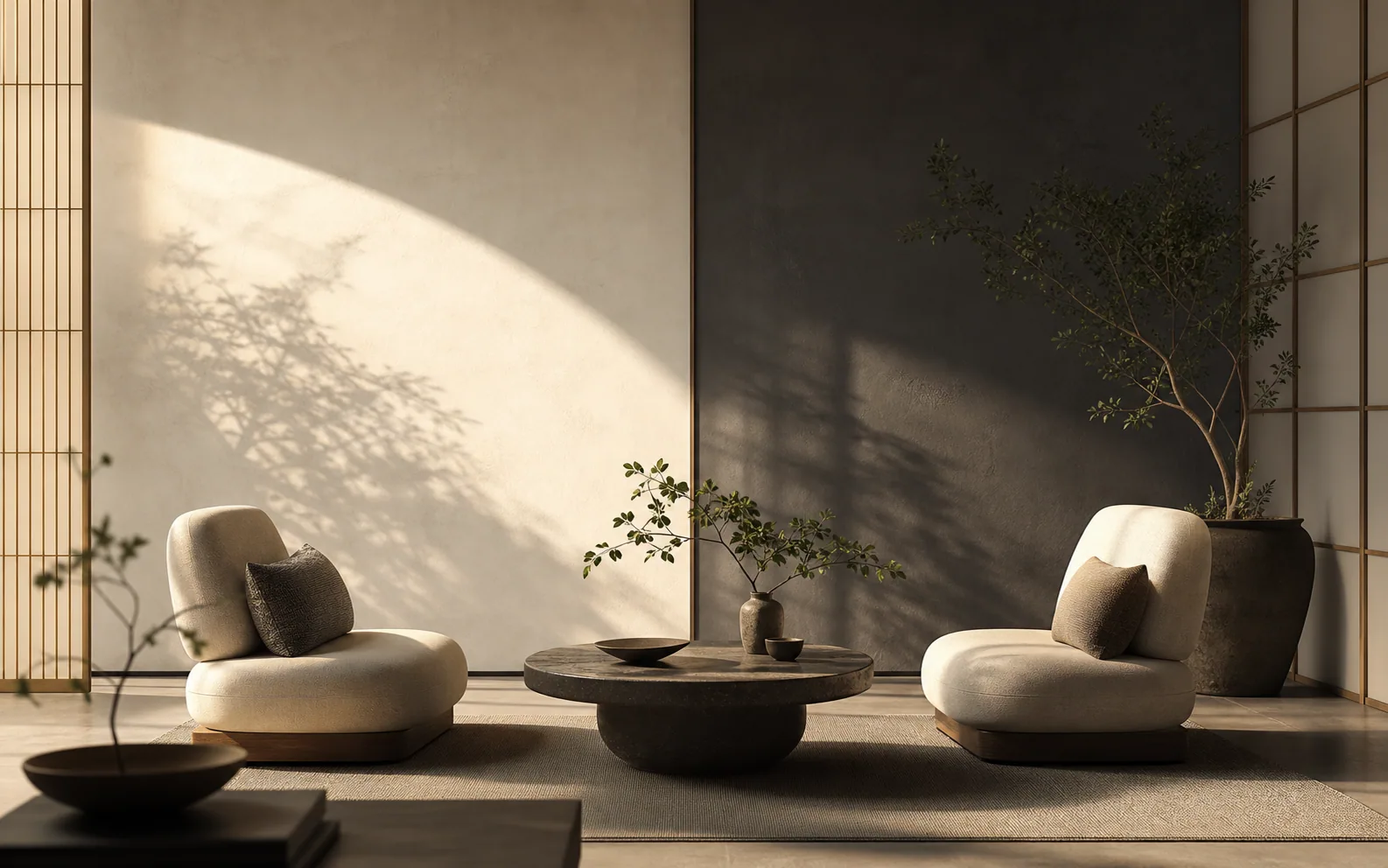
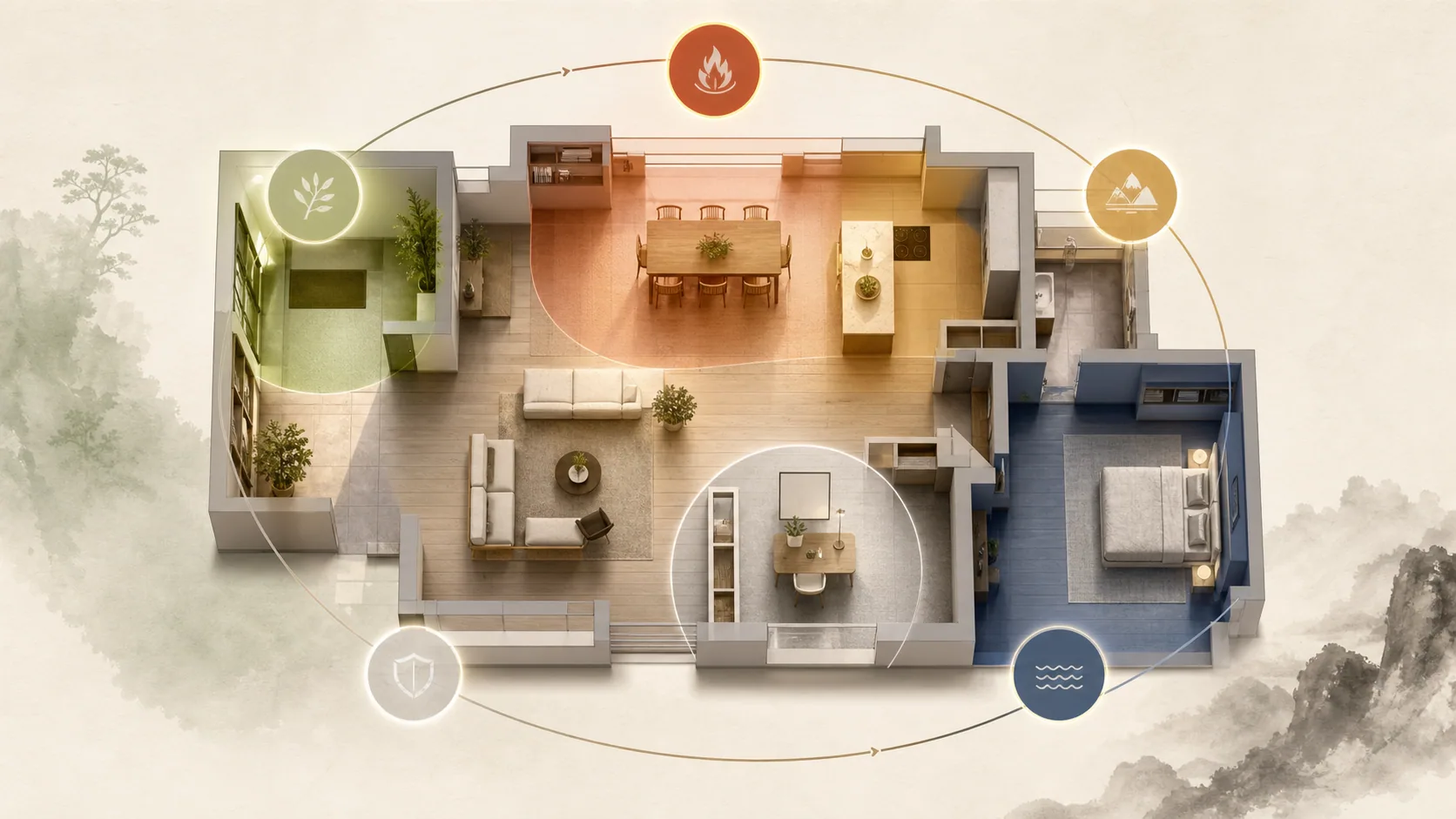
The Five Elements in Chinese culture can be used at home as a practical language for reading room purpose, movement, light, material, boundary, rest, and atmosp...

Essays on Feng Shui, Five Phases, Bazi, Qi, seasonal rhythm, and quiet rituals for home, work, relationships, vitality, and space.
Begin Ritual MapStable foundations for readers who want definitions before essays.
Core explanations that should receive the most internal authority.

The Five Elements in Chinese culture can be used at home as a practical language for reading room purpose, movement, light, material, boundary, rest, and atmosp...

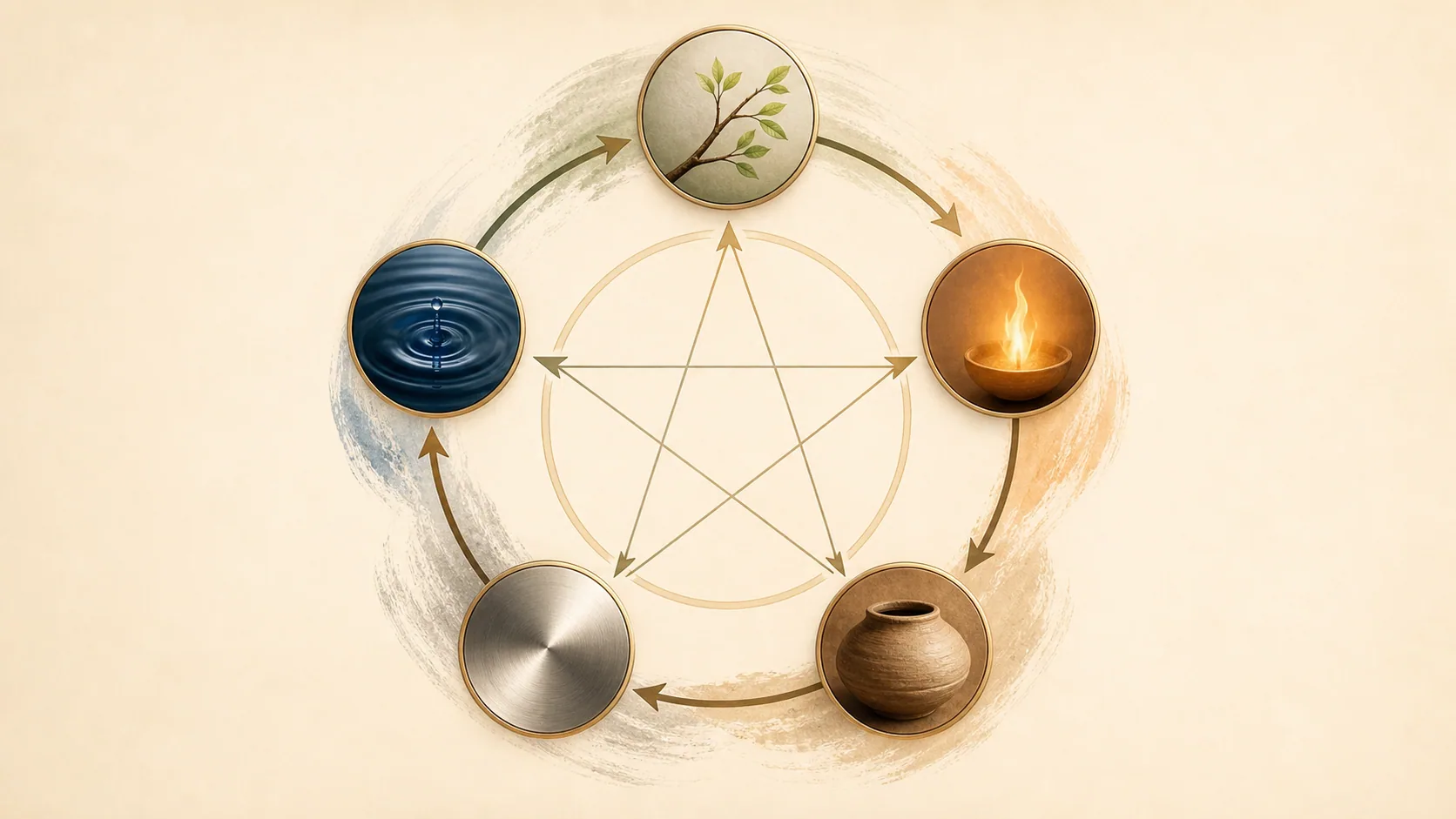
Chinese time wisdom is not only about calendars or fortune. It is a cultural way of noticing cycles: seasons, transitions, growth, decline, rest, renewal, and t...
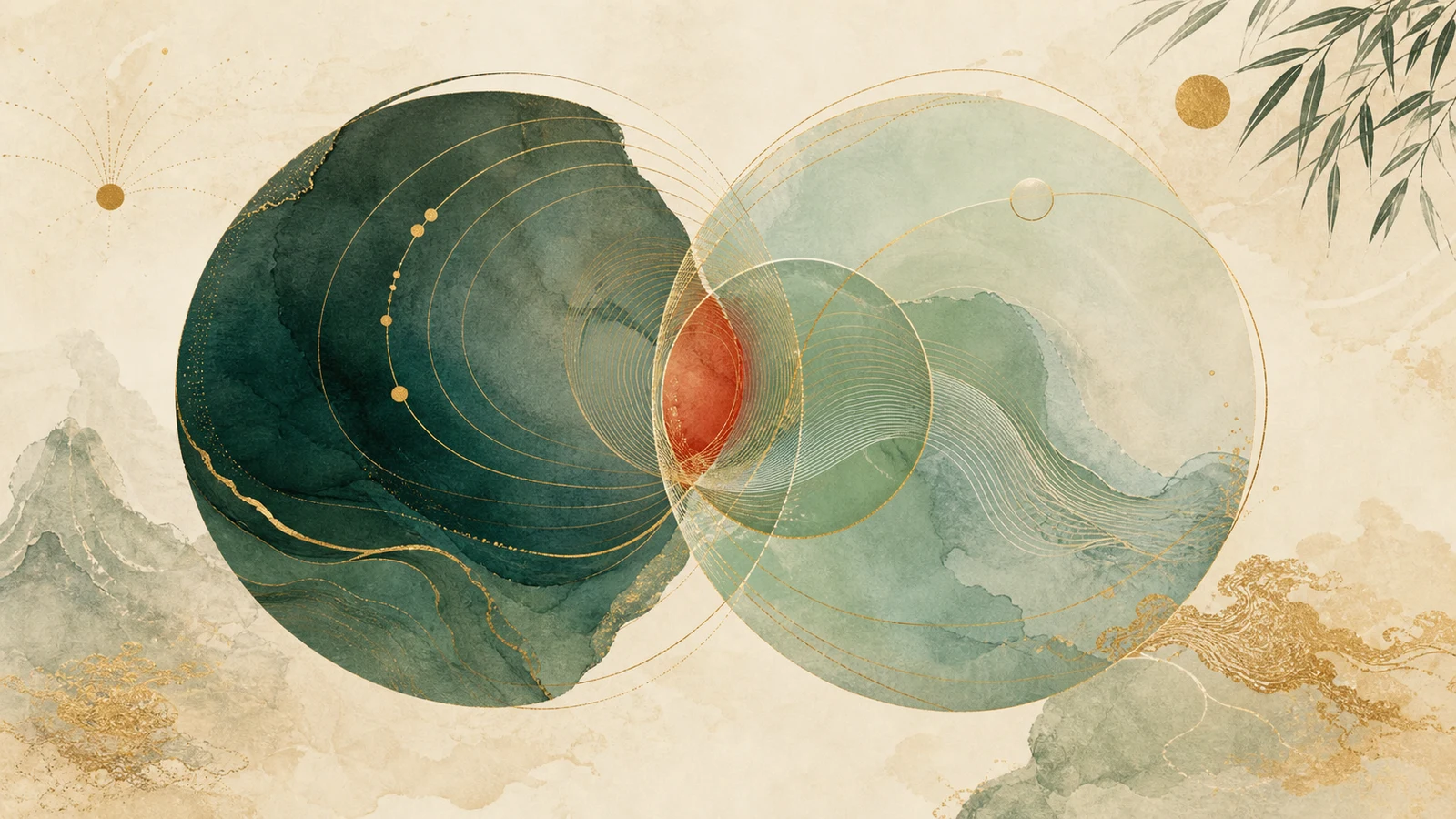
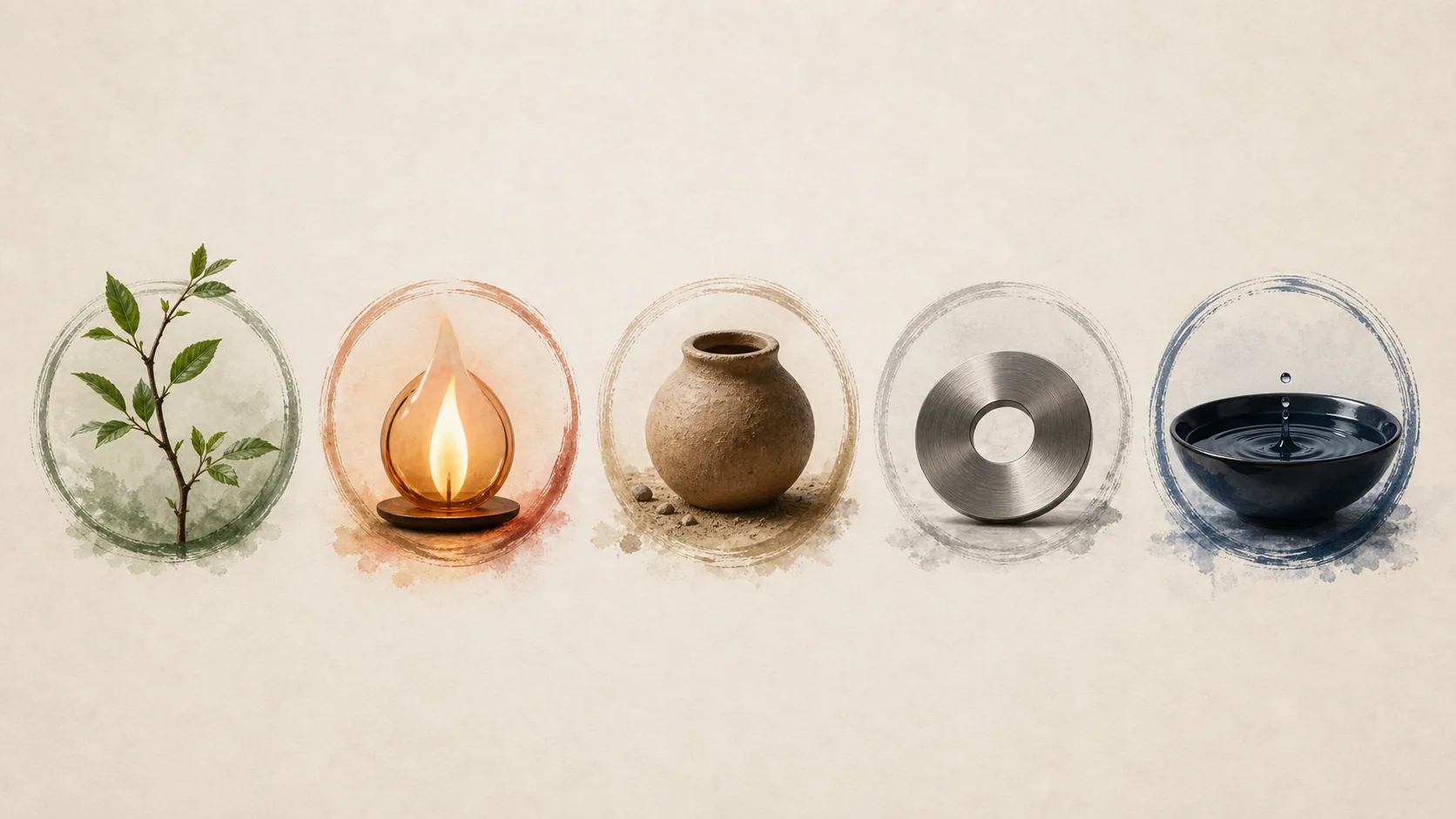
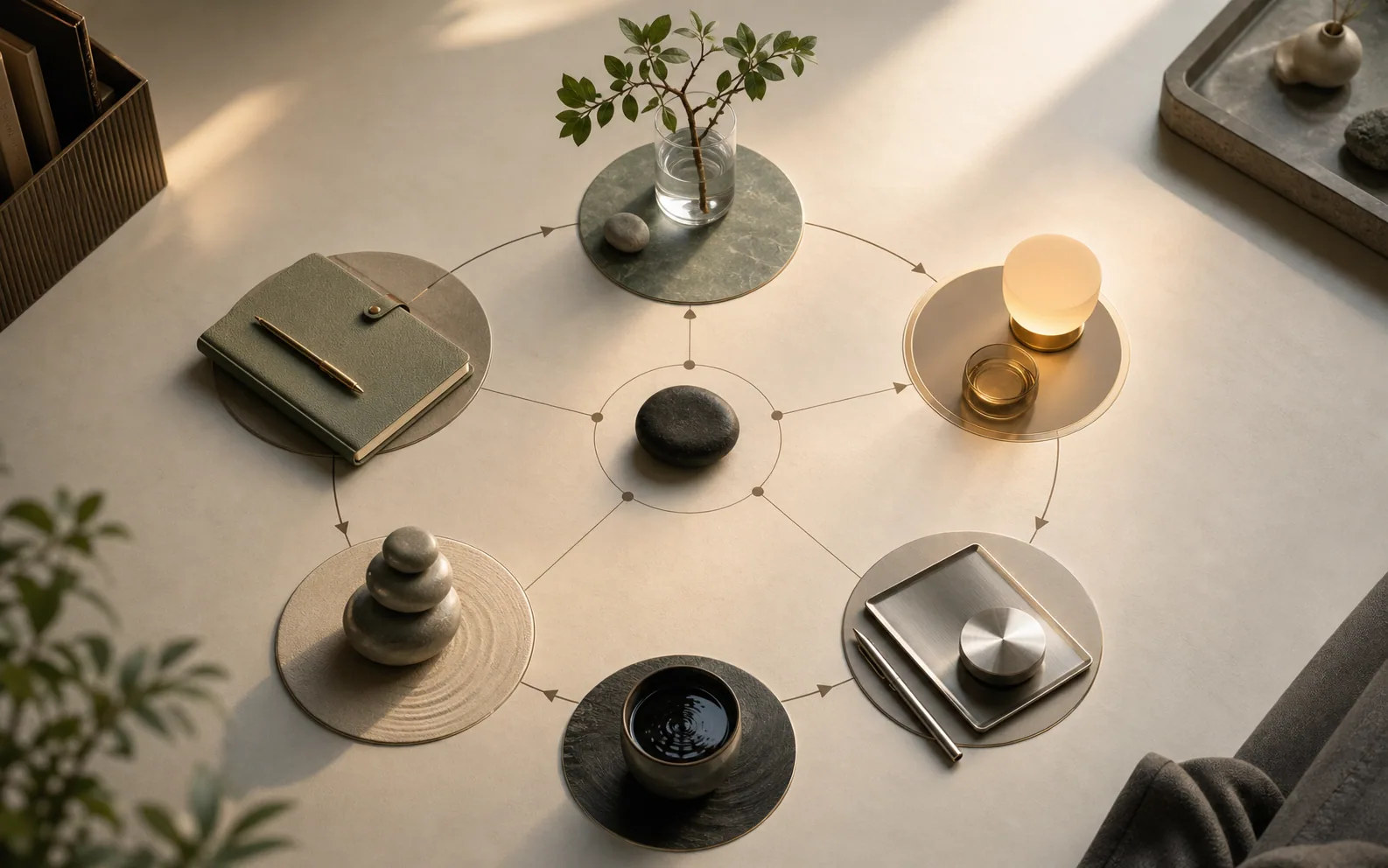
The Five Elements in Chinese culture, also called Wu Xing or the Five Phases, do not work as five isolated substances. They work through relationship. The two m...
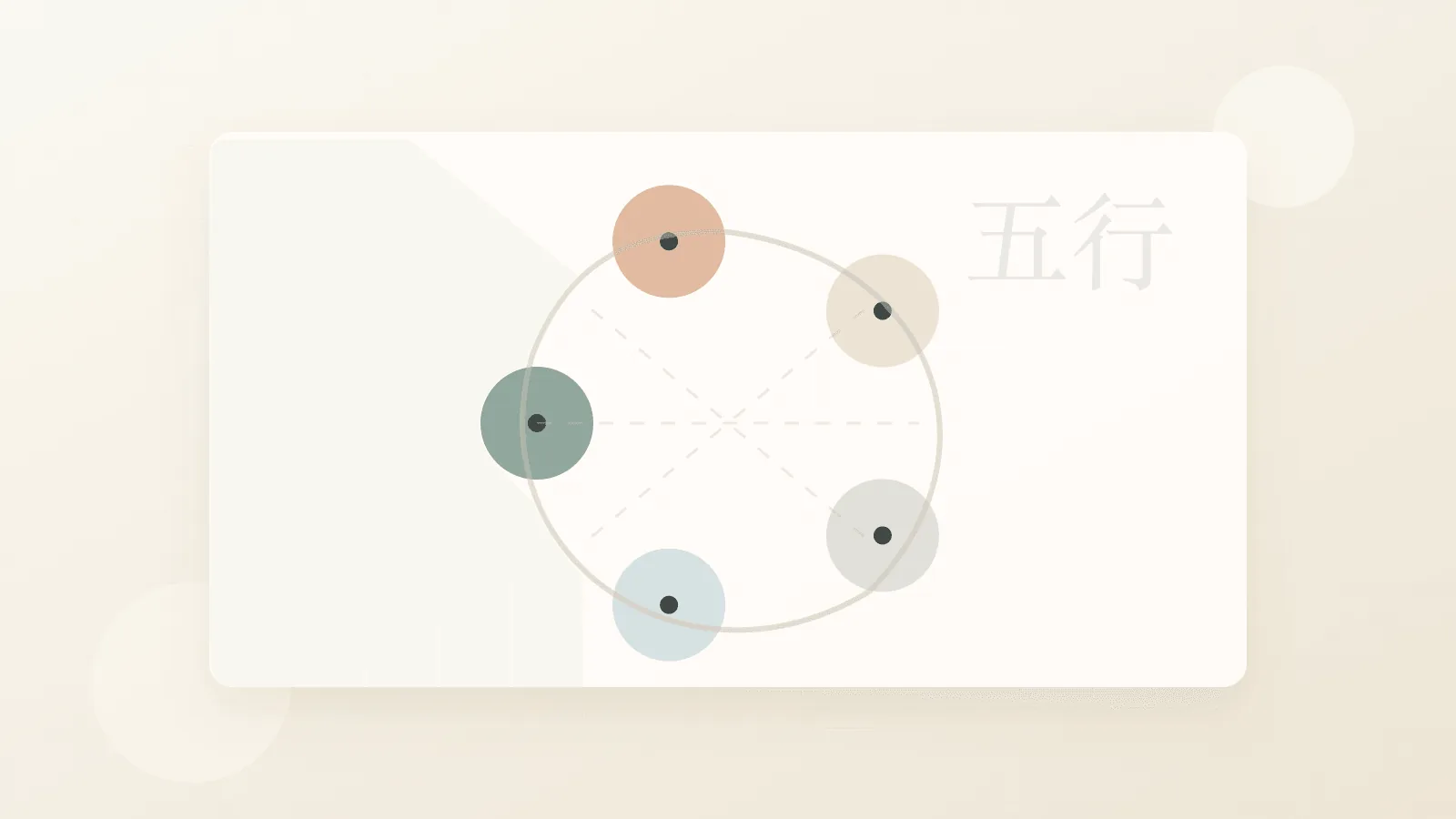
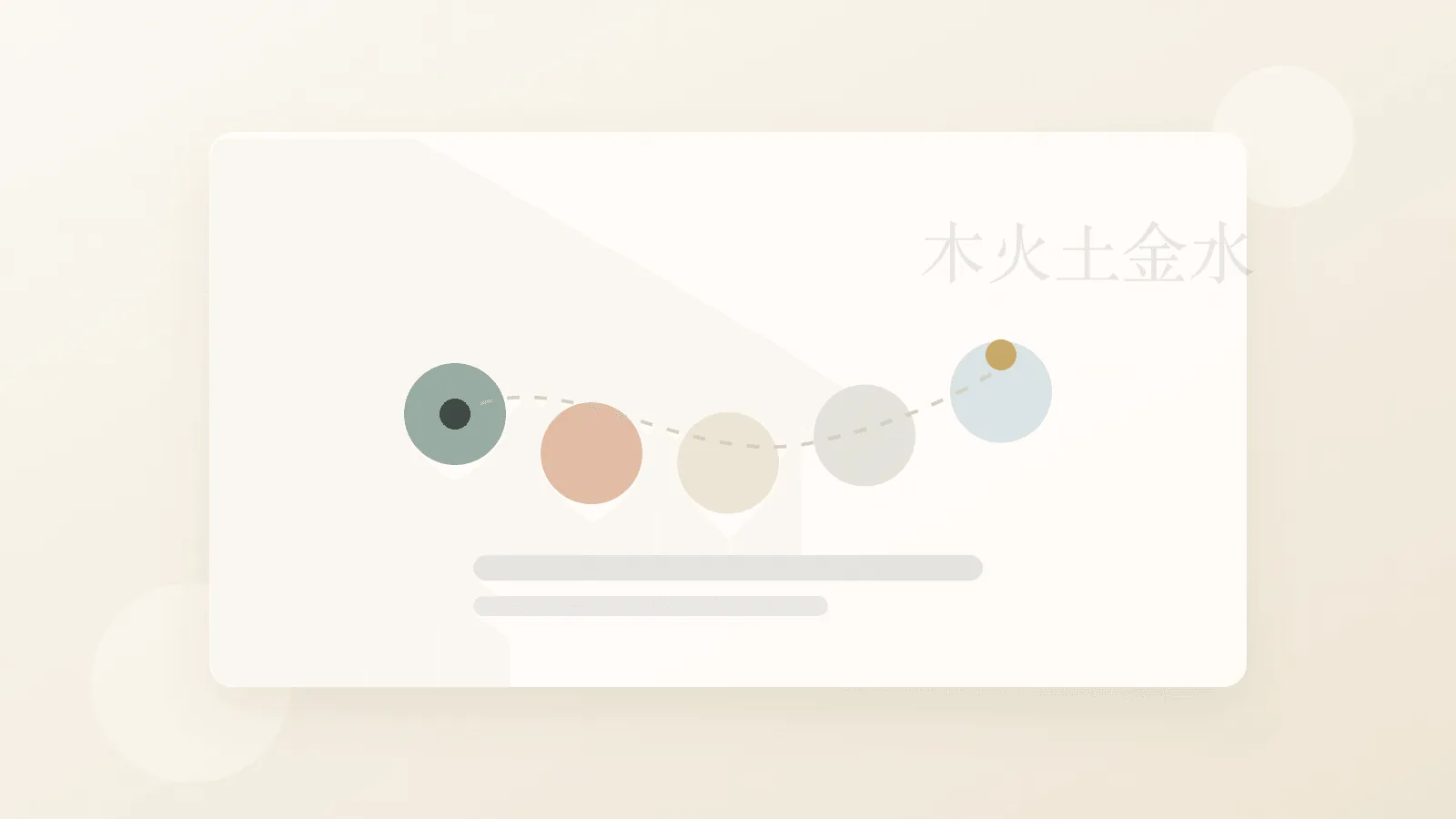
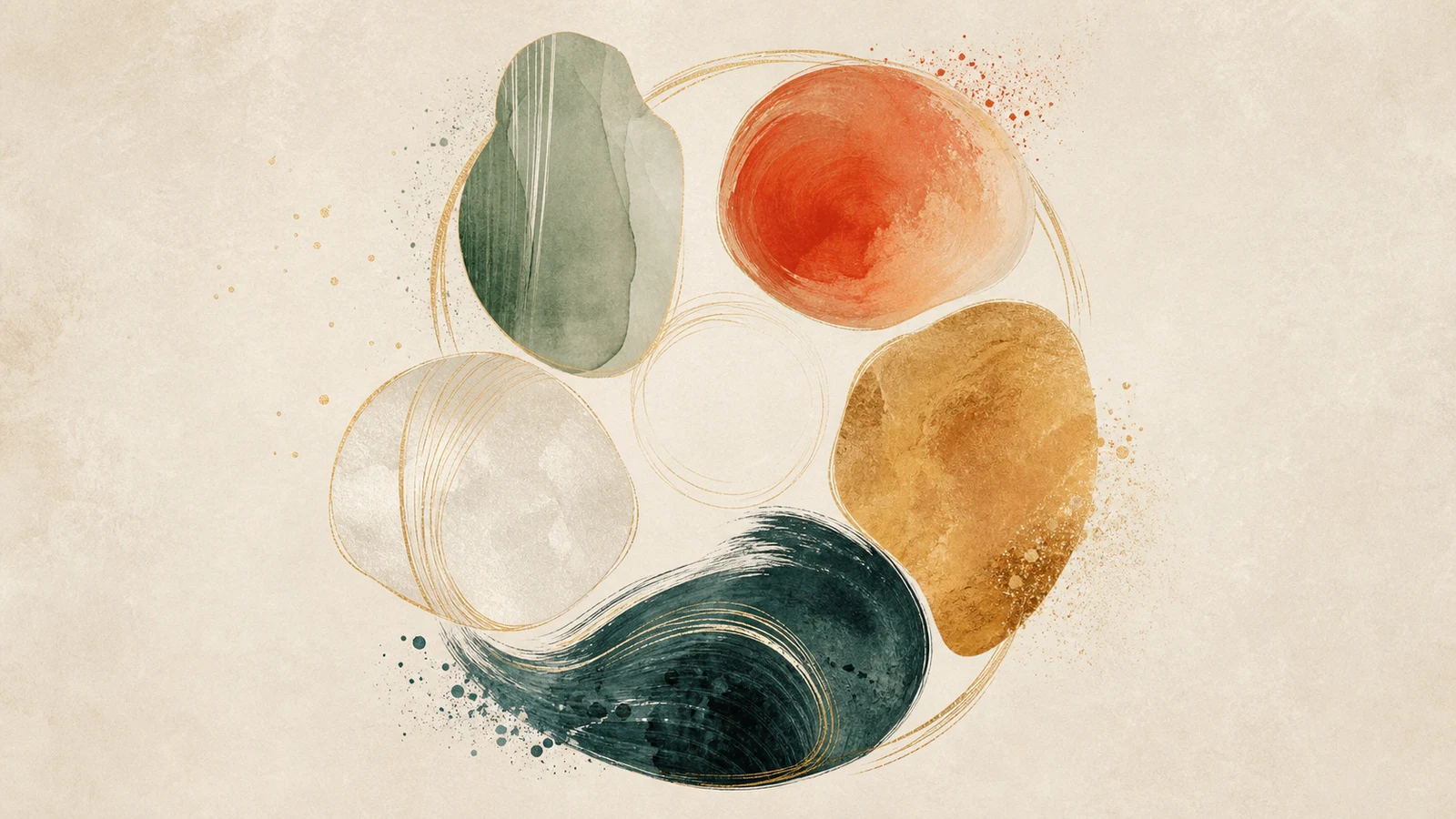
The Five Elements in Chinese culture are Wood, Fire, Earth, Metal, and Water. In Chinese, the framework is called Wu Xing (五行). "Five Elements" is the phrase mo...
Qi (氣 / 气), often written as Chi in older English sources, is one of the central concepts in Chinese culture. It can point to breath, vitality, atmosphere, move...

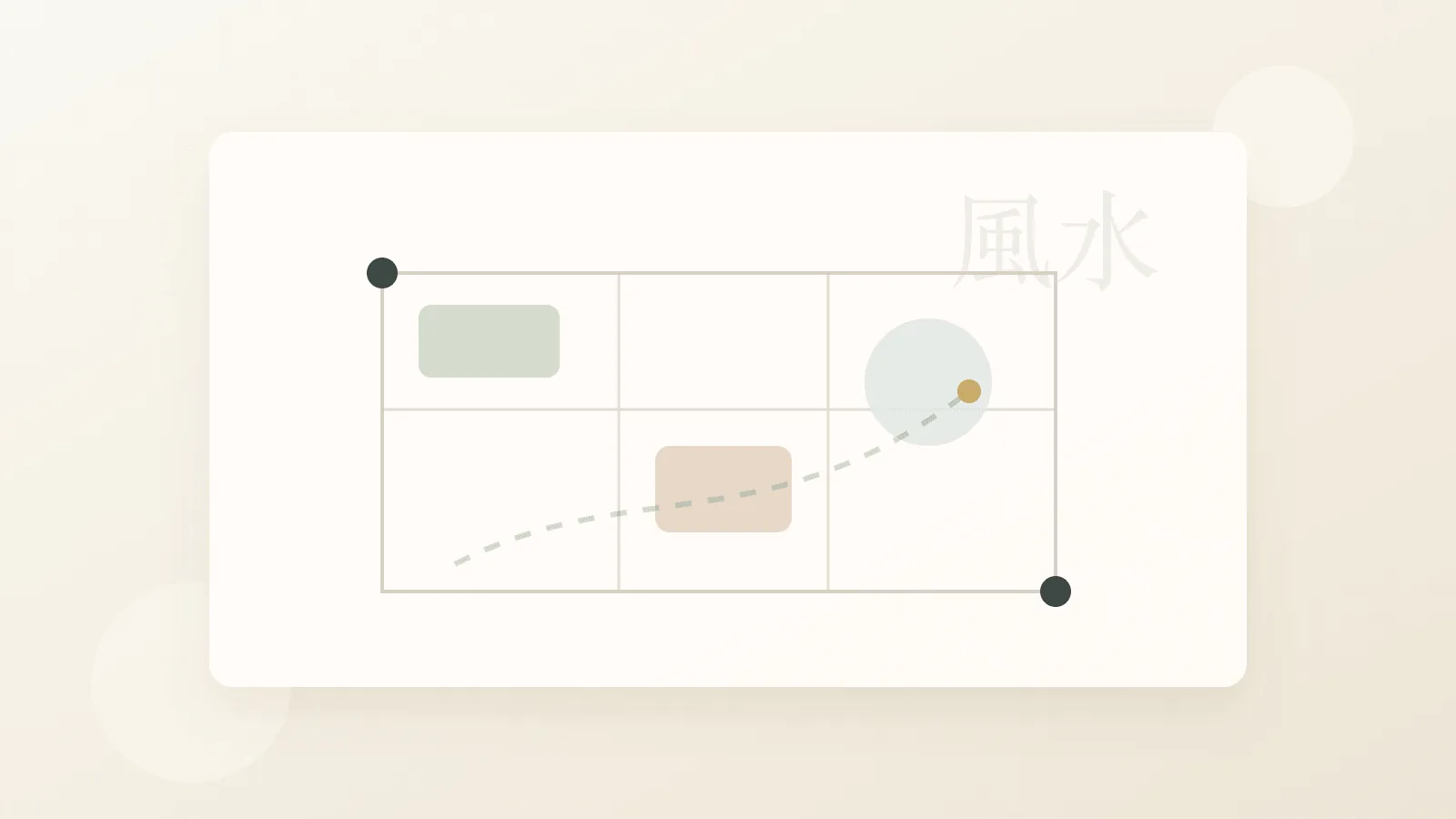
Chinese Feng Shui is a traditional spatial wisdom system for reading the relationship between people and place. It pays attention to landform, direction, dwelli...
Translation notes, cultural boundaries, and trust-building clarifications.

Wu Xing is often translated as the Five Elements, but the phrase is easier to understand when it is read as a language of change. Wood, Fire, Earth, Metal, and ...

"What is my Chinese element?" is one of the most common beginner questions about Chinese astrology and the Five Elements. The simple answer usually refers to th...

Chinese zodiac, Bazi, and Western astrology are often grouped together because they all use birth timing and symbolic interpretation. But they are not the same ...

Tian Ren He Yi is often translated as the unity of Heaven and humanity, or harmony between humans and the larger order. For modern readers, it can be understood...

Bazi, or the Four Pillars, is often presented in English as destiny reading. AETERA takes a stricter approach: Bazi can be explained as a Chinese time-based pat...

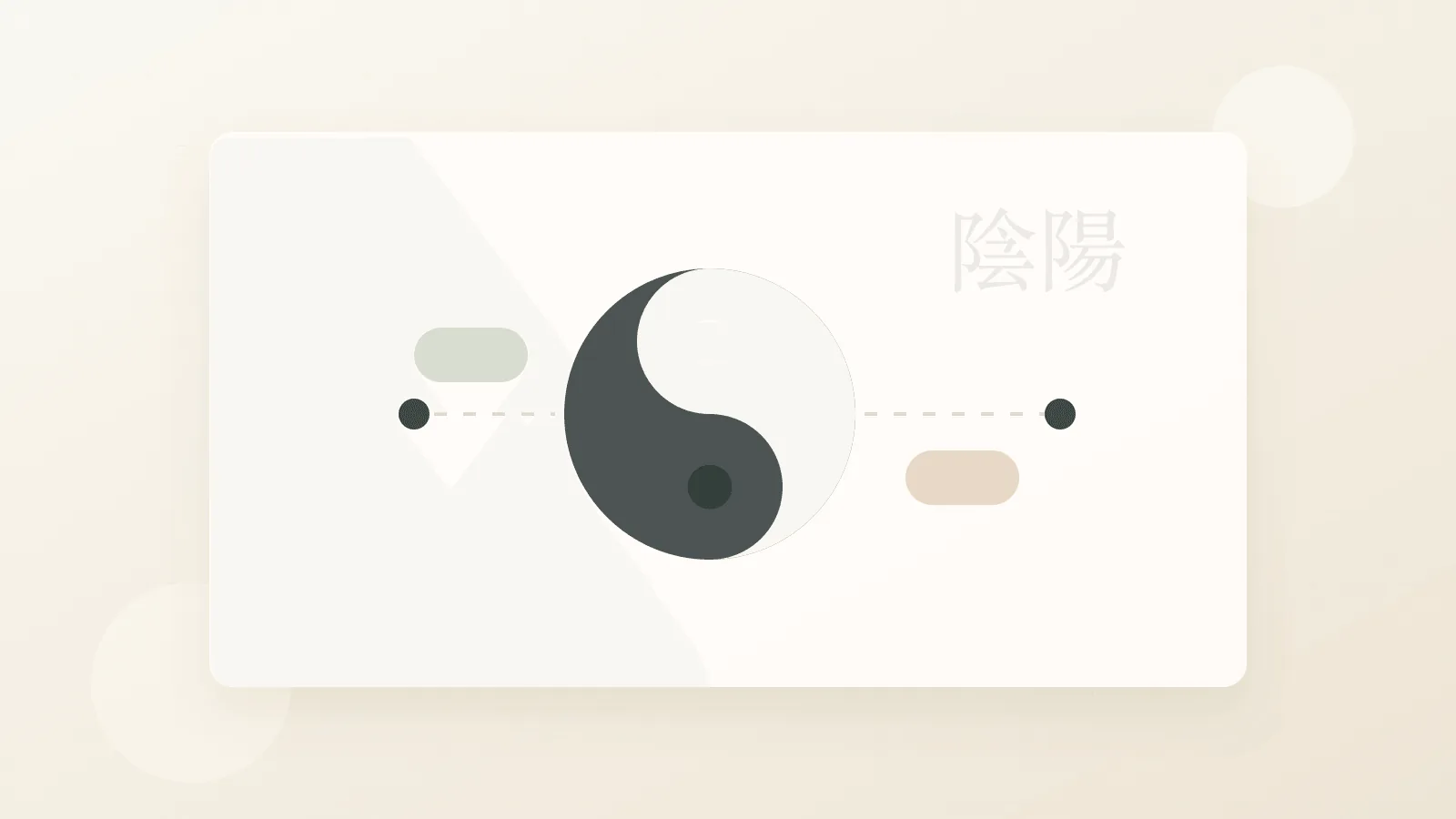
Yin and Yang describe complementary forces that shape change, relationship, timing, and balance. They are not a simple good-versus-bad split, and they are not a...

Feng Shui can be presented superstitiously, especially when reduced to lucky objects, fear-based rules, or guaranteed outcomes. But Feng Shui is not only supers...

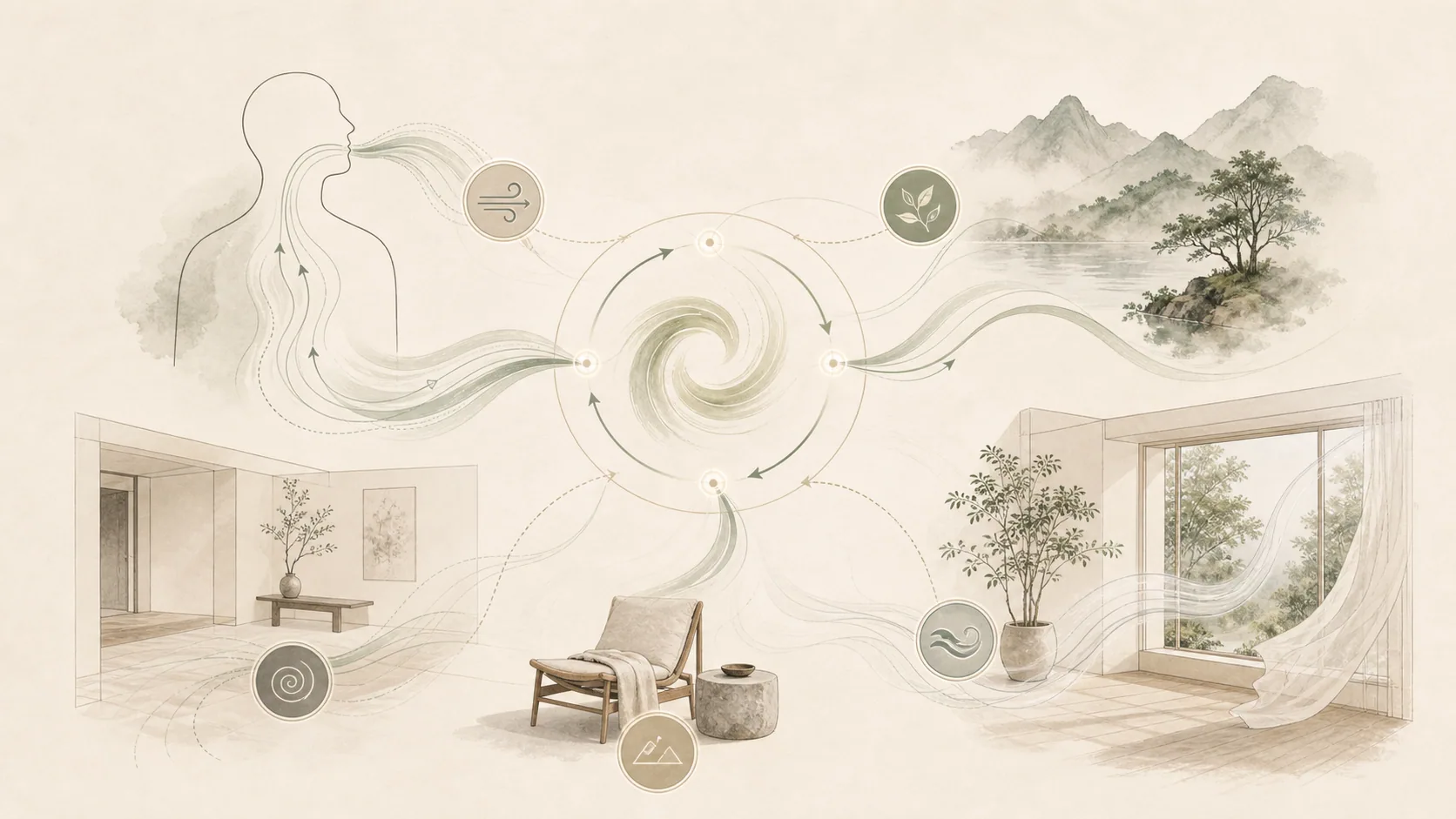
Qi is one of the most important ideas in Feng Shui, but it is often mistranslated as vague "energy." AETERA uses Qi as vital rhythm: the felt movement of life t...

"Five Elements" is the most familiar English translation of Wu Xing, but "Five Phases" often communicates the Chinese idea more accurately. Wood, Fire, Earth, M...

Bazi is often presented in English as fortune telling, but that framing is too narrow. Bazi, or the Four Pillars, is a symbolic time-profile system rooted in Ch...
Practical articles for long-tail search intent around rooms, habits, and daily life.

Five Elements compatibility is often presented as a simple matching system: one element fits another, one clashes with another, and the result predicts relation...

Qi in a home is not a mysterious substance to chase. In Chinese cultural language, Qi helps describe how a space feels alive, blocked, rushed, exposed, settled,...

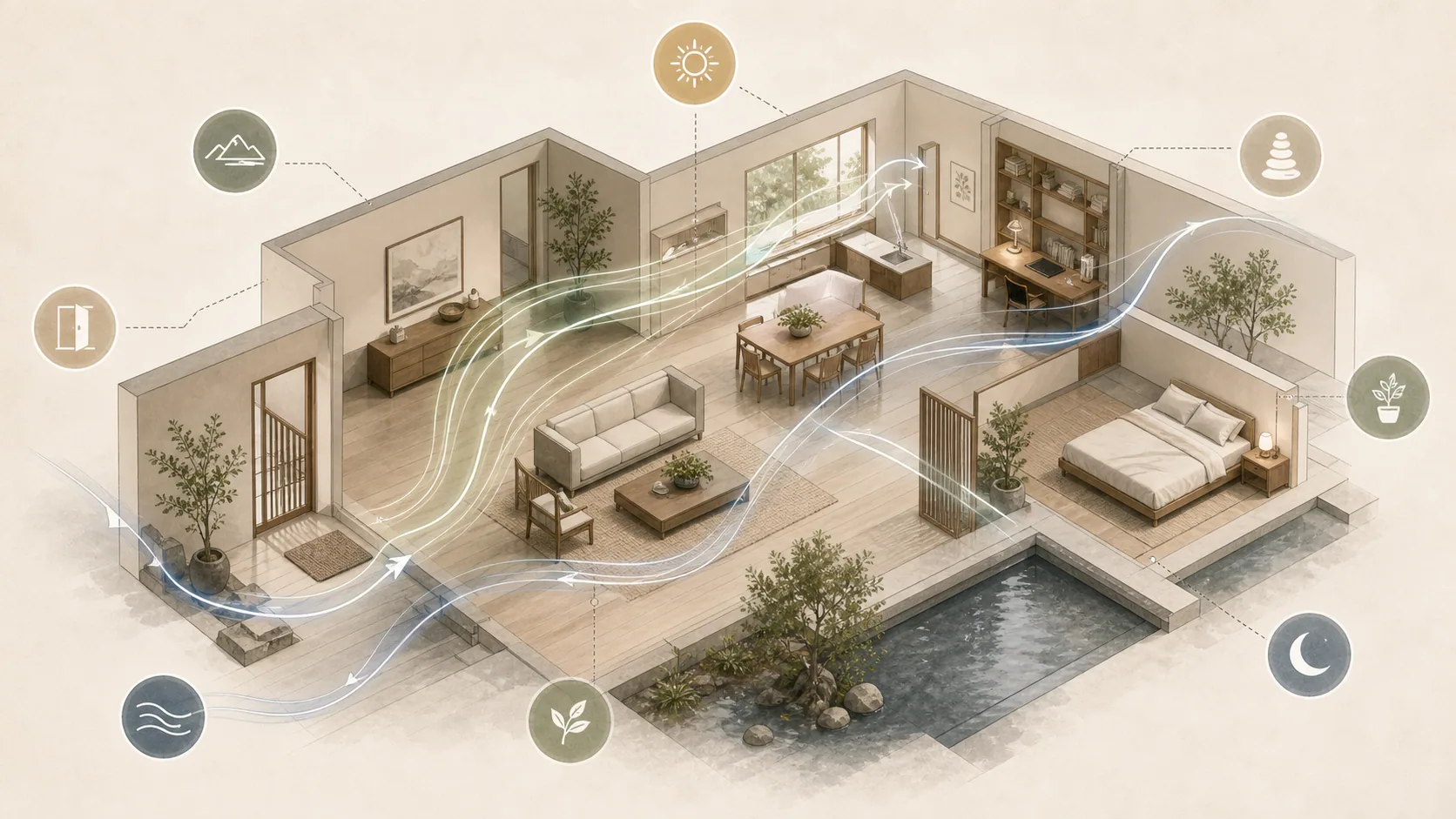
A Feng Shui room audit should not begin with fear, lucky objects, or rigid rules. A useful audit reads how a room supports function, recovery, attention, relati...

Yin and Yang are not two fixed personality types. They are a relational language for reading activity and recovery, brightness and quiet, expression and inwardn...

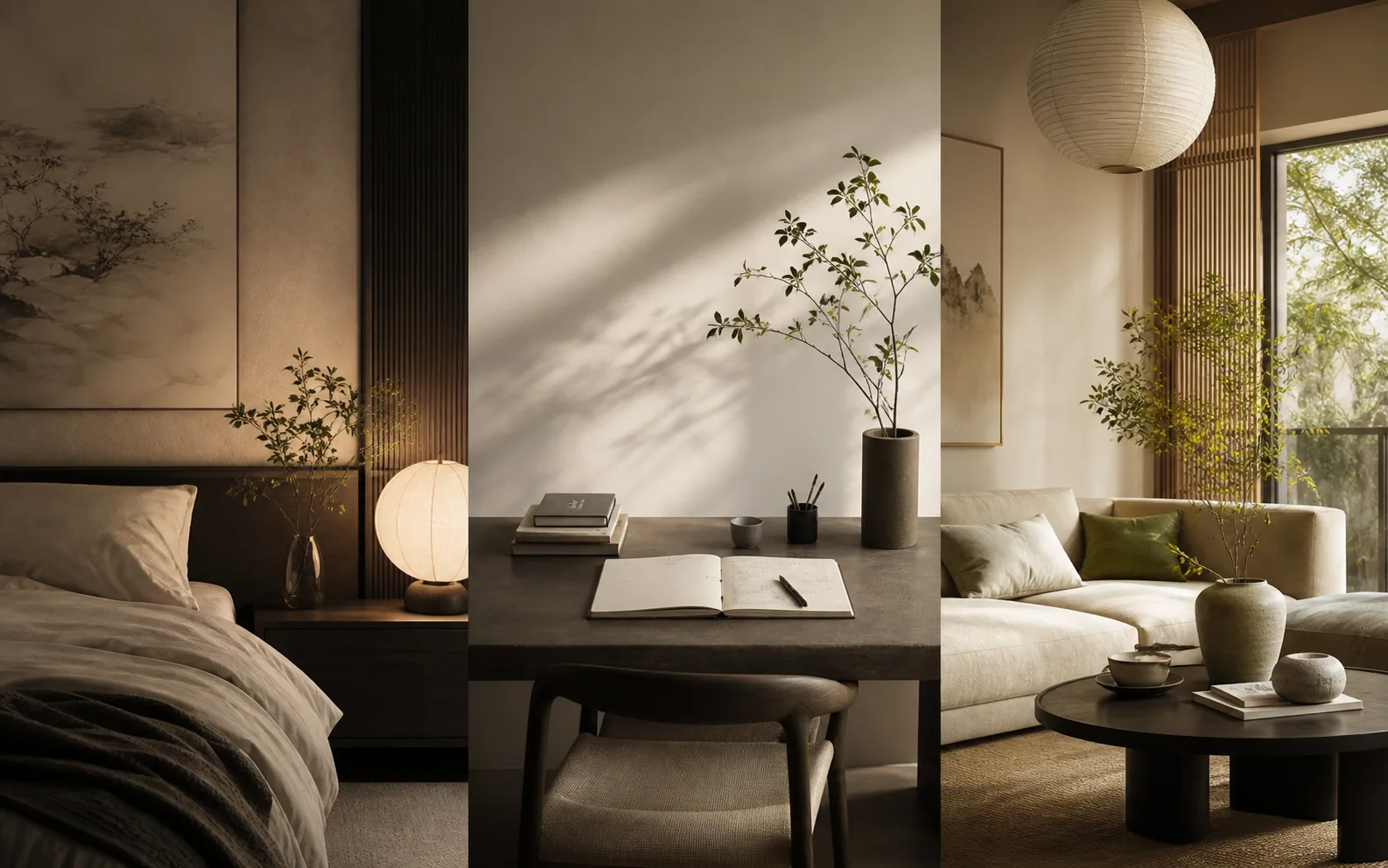
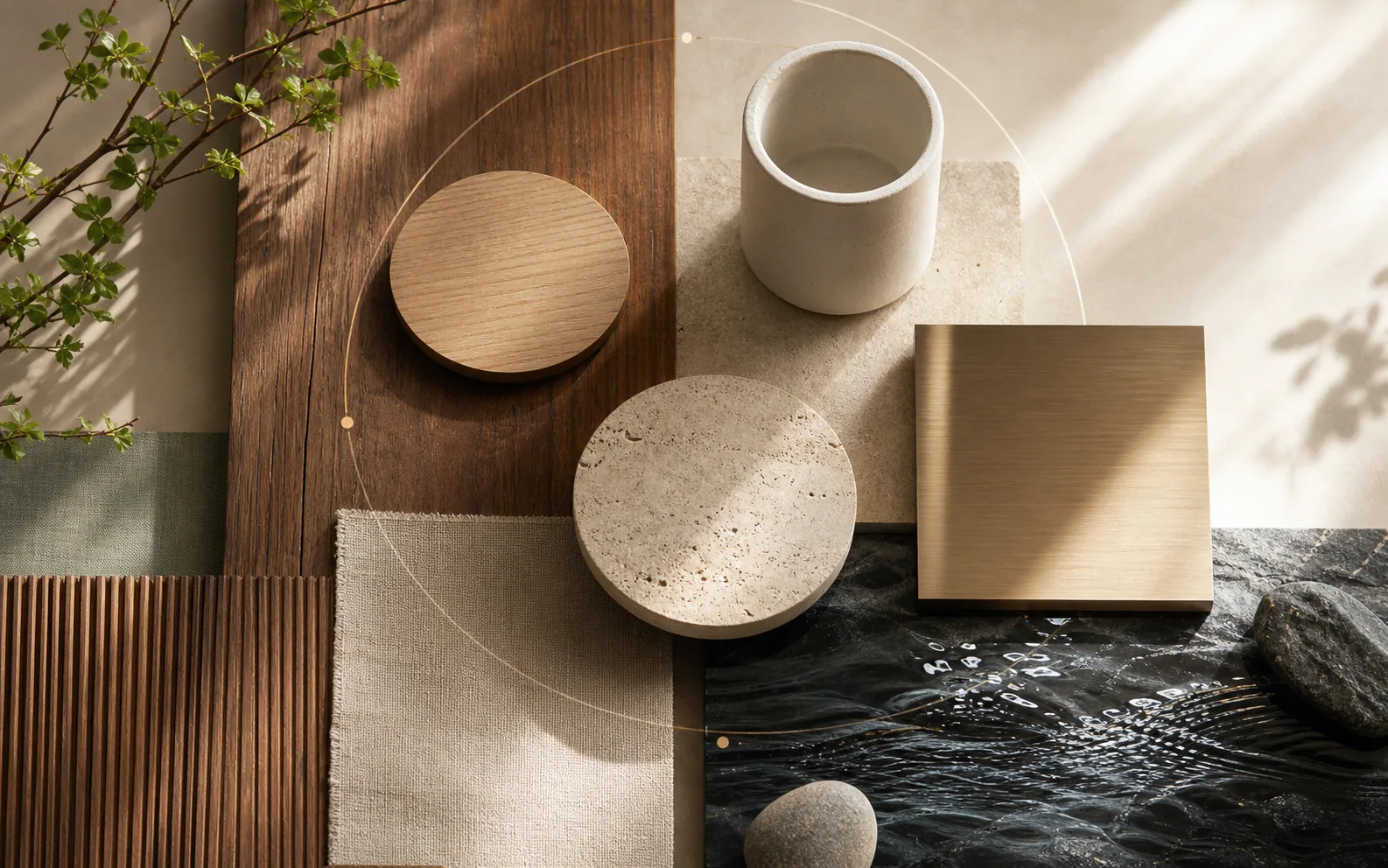
The Five Elements, or more precisely the Five Phases, can help people read interiors through material, light, shape, texture, and mood. This guide explains Wood...

The Five Elements can help describe work rhythm without turning people into fixed types. Wood, Fire, Earth, Metal, and Water map different phases of productive ...

Yin and Yang can help explain relationship rhythm, but they should not be used to trap people into gender roles or fixed personalities. In relationships, Yin-Ya...

Qi and recovery are connected through rhythm. A space, schedule, or ritual can either help the body downshift or keep it subtly activated. This guide explains h...

Feng Shui plants are often discussed as decorative symbols, but in classical Chinese spatial thinking their deeper value is closer to Wood Qi: growth, renewal, ...

Small apartment Feng Shui is not about making a compact home look empty or perfect. It is about protecting flow, boundaries, recovery, and daily rhythm when one...

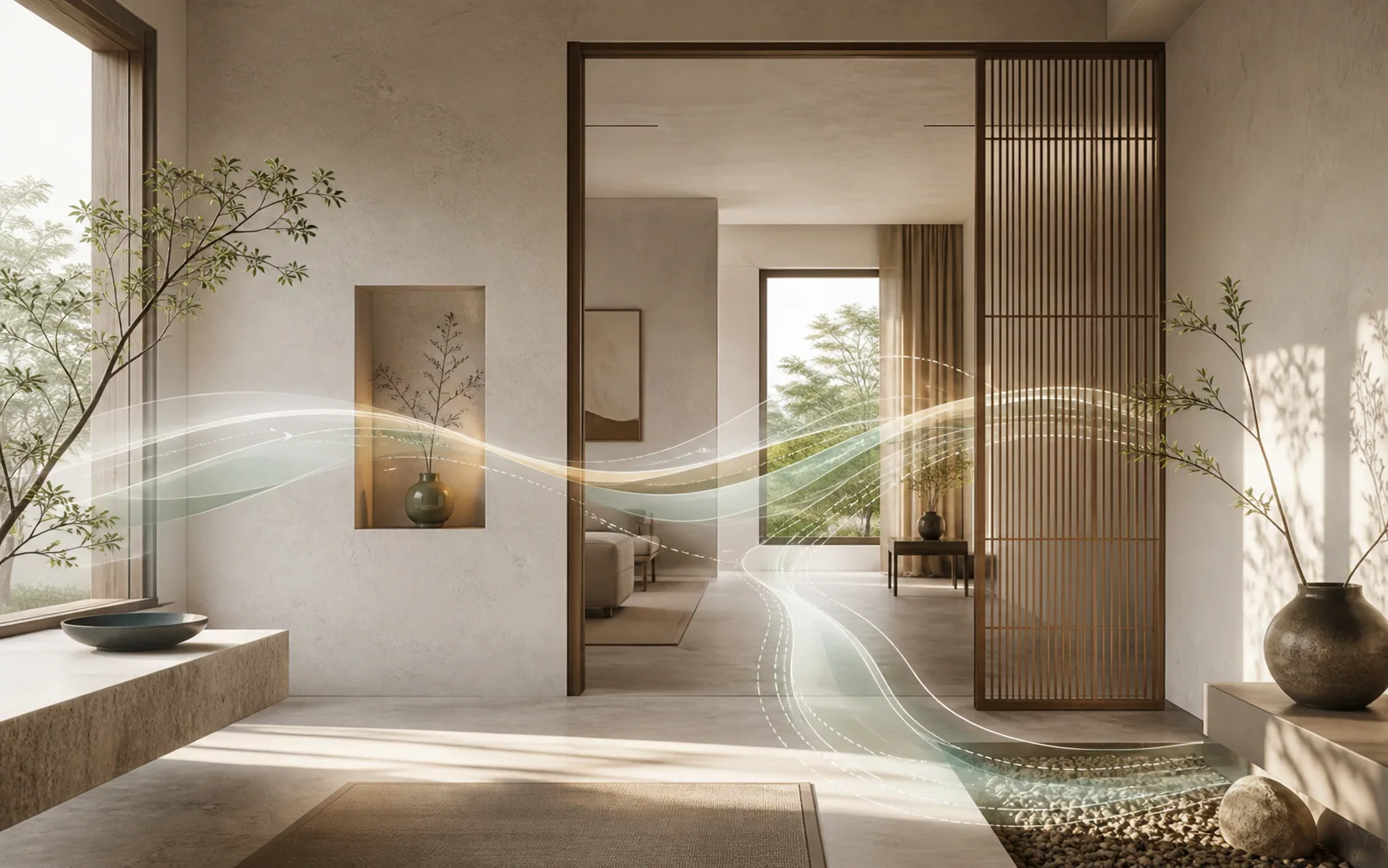
Entryway Feng Shui is not about adding lucky charms at the door. The entryway is the first threshold where outside pressure becomes home rhythm. AETERA translat...

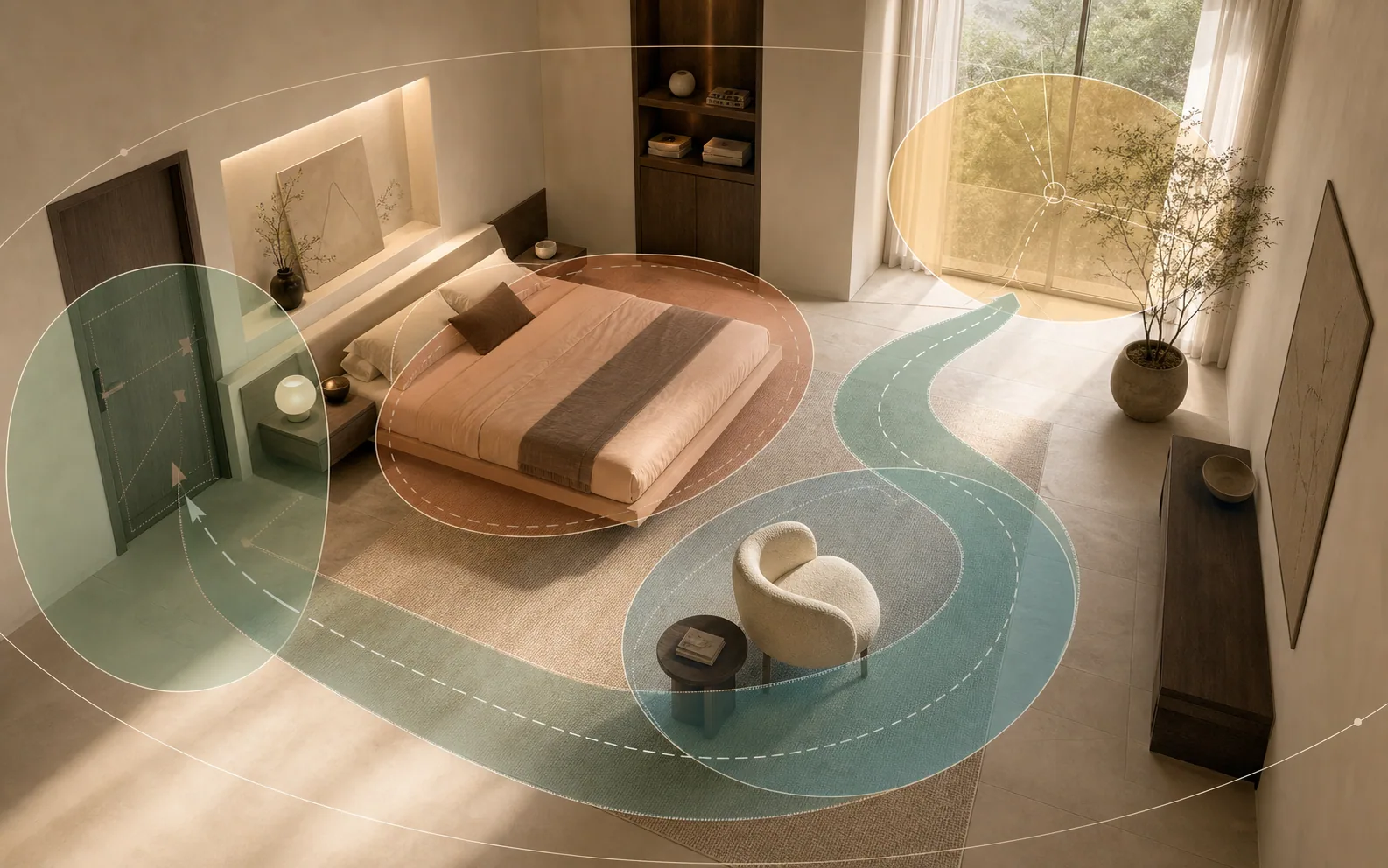
Bedroom Feng Shui is most useful when it supports recovery rather than fear-based rules. AETERA reads the bedroom as a Water and Earth space: a room where the b...

Home office Feng Shui is not about making a desk look spiritual. It is about shaping a work zone that supports attention, decision-making, visibility, and recov...

Energy friction and burnout are often treated as personal failures of discipline, motivation, or resilience. AETERA LAB reads them differently. In a high-speed ...
Tool-oriented articles shown after readers already have matching intent.

A Five Elements personality test is not a label generator. At its highest resolution, Wu Xing is a behavioral map: Wood, Fire, Earth, Metal, and Water describe ...

A career alignment test should do more than ask what job title sounds attractive. In 2026, many professionals are not simply choosing between roles; they are na...

A relationship resonance test should not promise perfect compatibility or reduce human attachment to a score. The more useful question is diagnostic: how does y...

Bazi personality analysis is often misunderstood because it is frequently presented through passive verdict language. AETERA LAB uses a different frame. We read...

Elemental calibration is AETERA LAB's modern translation of Chinese Five Phases, seasonal timing, and Bazi-inspired pattern reading into a practical self-awaren...
Editorial essays that support the brand voice without competing with cultural explanation pages.